Electrical Systems
Electrical Systems - Comprehensive Study Notes
Key Concepts
Ohm’s Law
- Ohm’s Law states that the current flowing through a conductor is directly proportional to the voltage across it, provided temperature remains constant
- Formula: V = I × R where:
- V = Voltage (in Volts, V)
- I = Current (in Amperes, A)
- R = Resistance (in Ohms, Ω)
- If voltage increases, current increases (assuming resistance stays the same)
- If resistance increases, current decreases (assuming voltage stays the same)
- This relationship only applies to ohmic conductors (conductors that obey Ohm’s Law)
Series and Parallel Circuits
Series Circuits
- Components are connected one after another in a single loop
- Current is the same at all points in the circuit: I₁ = I₂ = I₃
- Voltage is shared across components: V_total = V₁ + V₂ + V₃
- Total resistance increases: R_total = R₁ + R₂ + R₃
- If one component fails, the whole circuit stops working
- Used in: Christmas lights (older types), some switches
Parallel Circuits
- Components are connected across separate branches
- Voltage is the same across all branches: V₁ = V₂ = V₃
- Current is divided among branches: I_total = I₁ + I₂ + I₃
- Total resistance decreases: 1/R_total = 1/R₁ + 1/R₂ + 1/R₃
- If one component fails, others continue working
- Used in: household electrical circuits, car lighting systems
Resistance — Factors Affecting
Four main factors affect resistance:
-
Length of conductor
- Longer wire = greater resistance
- Resistance is directly proportional to length
- R ∝ L (R increases as L increases)
-
Cross-sectional area (thickness)
- Thicker wire = lower resistance
- Resistance is inversely proportional to area
- R ∝ 1/A (R decreases as A increases)
-
Type of material
- Different materials have different resistivities
- Good conductors (copper, silver, aluminum) = low resistance
- Poor conductors/insulators (rubber, plastic, wood) = high resistance
-
Temperature
- For most conductors: higher temperature = higher resistance
- As temperature increases, metal ions vibrate more, making it harder for electrons to flow
- For some materials (thermistors), resistance decreases with temperature
Types of Resistors
- Fixed resistors: Have a set resistance value that does not change; common materials include carbon or nichrome
- Variable resistors (rheostats): Allow resistance to be adjusted
- Resistance values range from a fraction of an ohm to thousands of ohms
- Nichrome has high resistance, making it suitable for heating elements
- Copper and silver have very low resistance, making them suitable for electric wires
Electrical Power and Energy
Electrical Power
- Power is the rate of energy transfer or the rate of doing work
- Measured in Watts (W) or kilowatts (kW)
- 1 kW = 1000 W
- Formulas for calculating power:
- P = V × I (Power = Voltage × Current)
- P = I² × R (Power = Current² × Resistance)
- P = V²/R (Power = Voltage²/Resistance)
Electrical Energy
- Energy is the total amount of electrical work done
- Measured in Joules (J) or kilowatt-hours (kWh)
- 1 kWh = 3,600,000 J = 3.6 × 10⁶ J
- Formula: E = P × t where:
- E = Energy (in J or kWh)
- P = Power (in W or kW)
- t = Time (in seconds s, or hours h)
- Alternative formula: E = V × I × t
Cost of Electricity
- Electricity bills are based on energy consumption in kWh
- Cost = Energy used (kWh) × Cost per kWh
- Example: If electricity costs $0.28 per kWh, and you use 500 kWh, cost = 500 × 0.28 = $140
Circuit Diagrams and Calculations
Standard Circuit Symbols
- Must use correct symbols in circuit diagrams
- Lines represent connecting wires (conductors)
- Components are represented by standardized symbols
Important Definitions
Voltage (V): The electrical potential difference between two points; the energy transferred per unit charge. Measured in Volts (V).
Current (I): The rate of flow of electric charge through a conductor. Measured in Amperes (A).
Resistance ®: The opposition to the flow of electric current in a conductor. Measured in Ohms (Ω).
Ohm’s Law: The relationship stating that voltage is directly proportional to current in an ohmic conductor at constant temperature, expressed as V = I × R.
Series Circuit: A circuit in which components are connected end-to-end in a single path, so the same current flows through all components.
Parallel Circuit: A circuit in which components are connected across common points, providing multiple paths for current to flow.
Conductor: A material that allows electric current to flow through it easily (low resistance).
Insulator: A material that does not allow electric current to flow through it easily (high resistance).
Ohmic Conductor: A conductor that obeys Ohm’s Law, maintaining a constant resistance as voltage changes.
Power (P): The rate at which electrical energy is transferred or converted. Measured in Watts (W).
Energy (E): The total amount of electrical work done or the capacity to do work. Measured in Joules (J) or kilowatt-hours (kWh).
Ammeter: An instrument used to measure electric current, connected in series with the component.
Voltmeter: An instrument used to measure voltage (potential difference), connected in parallel across the component.
Worked Examples
Example 1: Ohm’s Law Calculation
Question: A lamp has a resistance of 12 Ω and is connected to a 6 V battery. Calculate the current flowing through the lamp.
Solution:
-
Step 1: Write down what you know
- Voltage, V = 6 V
- Resistance, R = 12 Ω
- Current, I = ?
-
Step 2: Write the formula
- V = I × R
-
Step 3: Rearrange to find I
- I = V/R
-
Step 4: Substitute values
- I = 6/12
- I = 0.5 A
Answer: The current flowing through the lamp is 0.5 A or 500 mA.
Example 2: Series Circuit Calculation
Question: Two resistors of 4 Ω and 6 Ω are connected in series with a 12 V battery. Calculate: a) Total resistance b) Current in the circuit c) Voltage across each resistor
Solution:
Part (a): Total Resistance
-
Step 1: Use series formula
- R_total = R₁ + R₂
-
Step 2: Substitute values
- R_total = 4 + 6 = 10 Ω
Part (b): Current
-
Step 1: Use Ohm’s Law for whole circuit
- V = I × R_total
-
Step 2: Rearrange
- I = V/R_total
-
Step 3: Substitute
- I = 12/10 = 1.2 A
-
Note: This current is the same through both resistors (series circuit property)
Part ©: Voltage across each resistor
For 4 Ω resistor:
- V₁ = I × R₁
- V₁ = 1.2 × 4 = 4.8 V
For 6 Ω resistor:
- V₂ = I × R₂
- V₂ = 1.2 × 6 = 7.2 V
Check: V₁ + V₂ = 4.8 + 7.2 = 12 V ✓ (equals battery voltage)
Answers:
- a) Total resistance = 10 Ω
- b) Current = 1.2 A
- c) Voltage across 4 Ω = 4.8 V; Voltage across 6 Ω = 7.2 V
Example 3: Electrical Power and Energy Calculation
Question: A 2000 W kettle is connected to a 240 V supply and used for 5 minutes to boil water. Calculate: a) The current flowing through the kettle b) The energy consumed in kWh c) The cost of electricity if 1 kWh costs $0.28
Solution:
Part (a): Current
-
Step 1: Use power formula
- P = V × I
-
Step 2: Rearrange
- I = P/V
-
Step 3: Substitute
- I = 2000/240
- I = 8.33 A (or 8.3 A to 2 s.f.)
Part (b): Energy in kWh
-
Step 1: Convert power to kW
- P = 2000 W = 2 kW
-
Step 2: Convert time to hours
- t = 5 minutes = 5/60 hours = 0.0833 h
-
Step 3: Calculate energy
- E = P × t
- E = 2 × 0.0833
- E = 0.167 kWh (or 0.17 kWh to 2 s.f.)
Part ©: Cost
- Cost = Energy × Cost per kWh
- Cost = 0.167 × $0.28
- Cost = $0.047 or approximately $0.05 (5 cents)
Answers:
- a) Current = 8.3 A
- b) Energy = 0.17 kWh
- c) Cost = $0.05
Common Mistakes to Avoid
Calculation Errors
- Forgetting to rearrange formulas correctly: When finding I from V = I × R, students often multiply instead of dividing
- Using wrong units: Mixing W and kW, or seconds and hours without converting
- Not converting minutes to hours: When calculating energy in kWh, time must be in hours (divide minutes by 60)
- Rounding too early: Keep at least 3 significant figures during calculations, only round the final answer
Series vs Parallel Confusion
- Mixing up rules: Saying current is same in parallel or voltage is same in series
- Wrong resistance formulas: Using R_total = R₁ + R₂ for parallel circuits
- Forgetting about current split in parallel: Not recognizing that current divides at junctions in parallel circuits
- Forgetting to invert when calculating parallel resistance: After applying 1/R = 1/R₁ + 1/R₂, students sometimes leave the answer as the reciprocal value instead of taking 1 divided by that result to get R
- Assuming fixed voltages in series-parallel circuits: In a circuit with both series and parallel sections, do not assume the potential difference across a component is equal to the supply voltage — apply series voltage addition rules to find the voltage across each section first
Circuit Diagram Mistakes
- Incorrect symbols: Drawing a battery as a single cell, or using non-standard symbols
- Wrong meter connections:
- Connecting ammeter in parallel (it should be in series)
- Connecting voltmeter in series (it should be in parallel)
- Missing labels: Not labeling values or directions
Ohm’s Law Application
- Applying to non-ohmic conductors: Assuming filament lamps follow Ohm’s Law strictly (they don’t because they heat up)
- Forgetting constant temperature condition: Not stating that Ohm’s Law requires constant temperature
Factors Affecting Resistance
- Confusing length and thickness: Thinking thicker wires have higher resistance (opposite is true)
- Not explaining temperature effect properly: Just saying “temperature affects resistance” without explaining the mechanism
Power and Energy
- Confusing power and energy: Using them interchangeably or mixing up their units
- Wrong formula selection: Using P = V × I when you don’t have V and I, but could use P = I² × R instead
Exam Tips
For Calculations
- Always write the formula first before substituting numbers (shows your working even if answer is wrong)
- Include units in every step and in final answer (can lose marks for missing units)
- Show clear working: Write out: formula → rearrangement → substitution → answer
- Check your answer makes sense: A household current of 1000 A is clearly wrong!
For Circuit Diagrams
- Use a ruler for straight lines (shows care and gets you marks)
- Draw symbols at appropriate size (not too small or too large)
- When connecting meters:
- State “ammeter in series” to measure current
- State “voltmeter in parallel” to measure voltage
- Label all values clearly including units
Keywords and Mark-Earning Phrases
For Ohm’s Law questions:
- “Voltage is directly proportional to current”
- “At constant temperature”
- “For an ohmic conductor”
For series circuits:
- “Current is the same throughout the circuit”
- “Voltage is shared across components”
- “Total resistance equals sum of individual resistances”
For parallel circuits:
- “Voltage is the same across all branches”
- “Current is divided among branches”
- “Each component has its own complete path”
For resistance factors:
- “Resistance is directly proportional to length”
- “Resistance is inversely proportional to cross-sectional area”
- “As temperature increases, metal ions vibrate more, impeding electron flow”
For power and energy:
- “Power is the rate of energy transfer”
- “Energy is power multiplied by time”
- When calculating cost: “Energy consumed × cost per unit”
Describing Graphs
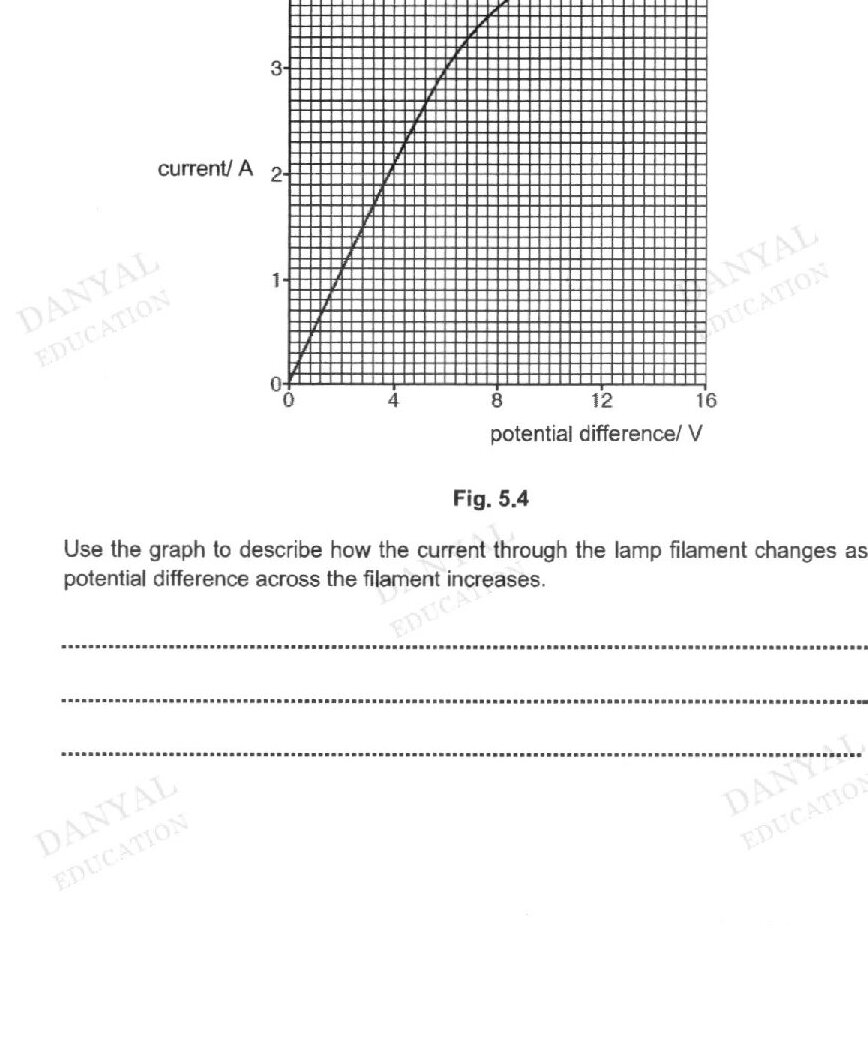
- Always mention: “As [x-variable] increases, [y-variable] increases/decreases”
- For straight-line V-I graphs: “The graph is a straight line through the origin, showing Ohm’s Law is obeyed”
- For curved graphs: “The gradient decreases, showing resistance increases”
Step-by-Step Approach for Resistance/Circuit Questions
- Identify the circuit arrangement — is it series, parallel, or a combination?
- Recall the relevant formula (series: R = R₁ + R₂; parallel: 1/R = 1/R₁ + 1/R₂)
- Apply the formula systematically, substituting given values
- Verify your answer using circuit properties: voltages must add up in series; currents must add up in parallel
For parallel resistance: after summing the reciprocals, always take the reciprocal of that result. The final answer for R must be less than the smallest individual resistor.
Practical Skills (if applicable)
- “To measure current, connect ammeter in series”
- “To measure voltage, connect voltmeter in parallel”
- “Ensure all connections are tight to avoid high resistance”
- “Switch off circuit when not taking readings to prevent overheating”
Quick Summary
✓ Ohm’s Law: V = I × R; voltage is directly proportional to current at constant temperature for ohmic conductors
✓ Series circuits: Same current throughout (I₁ = I₂); voltage shared (V_total = V₁ + V₂); resistance adds (R_total = R₁ + R₂)
✓ Parallel circuits: Same voltage across branches (V₁ = V₂); current divides (I_total = I₁ + I₂); resistance decreases (1/R_total = 1/R₁ + 1/R₂)
✓ Factors affecting resistance: Increases with length and temperature; decreases with greater cross-sectional area; depends on material
✓ Power formulas: P = V × I; P = I² × R; P = V²/R (all measured in Watts)
✓ Energy formula: E = P × t (measured in Joules or kWh, where 1 kWh = 3.6 × 10⁶ J)
✓ Cost of electricity: Cost = Energy used (kWh) × Cost per kWh
✓ Circuit symbols: Know all standard symbols (cell, battery, lamp, resistor, ammeter, voltmeter, switch)
✓ Ammeter: Connected in series to measure current flowing through component
✓ Voltmeter: Connected in parallel to measure voltage across component
✓ V-I graphs: Straight line through origin = ohmic conductor; curved line = non-ohmic conductor (resistance changes)
✓ Always show working: Write formula → rearrange → substitute → answer with units for maximum marks
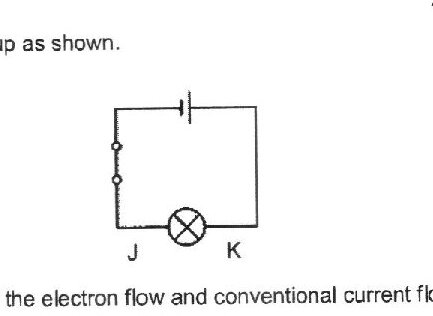
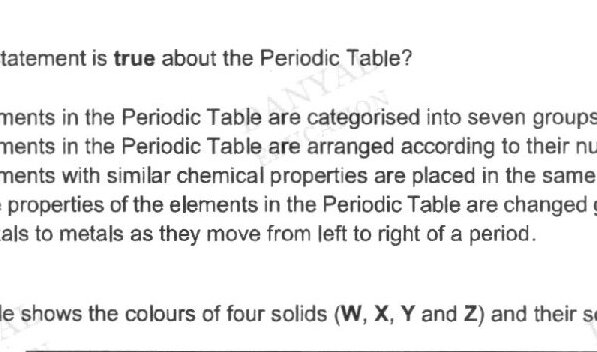
An electrical circuit is set up as shown. What are the directions of the electron flow and conventional current flow through the bulb?
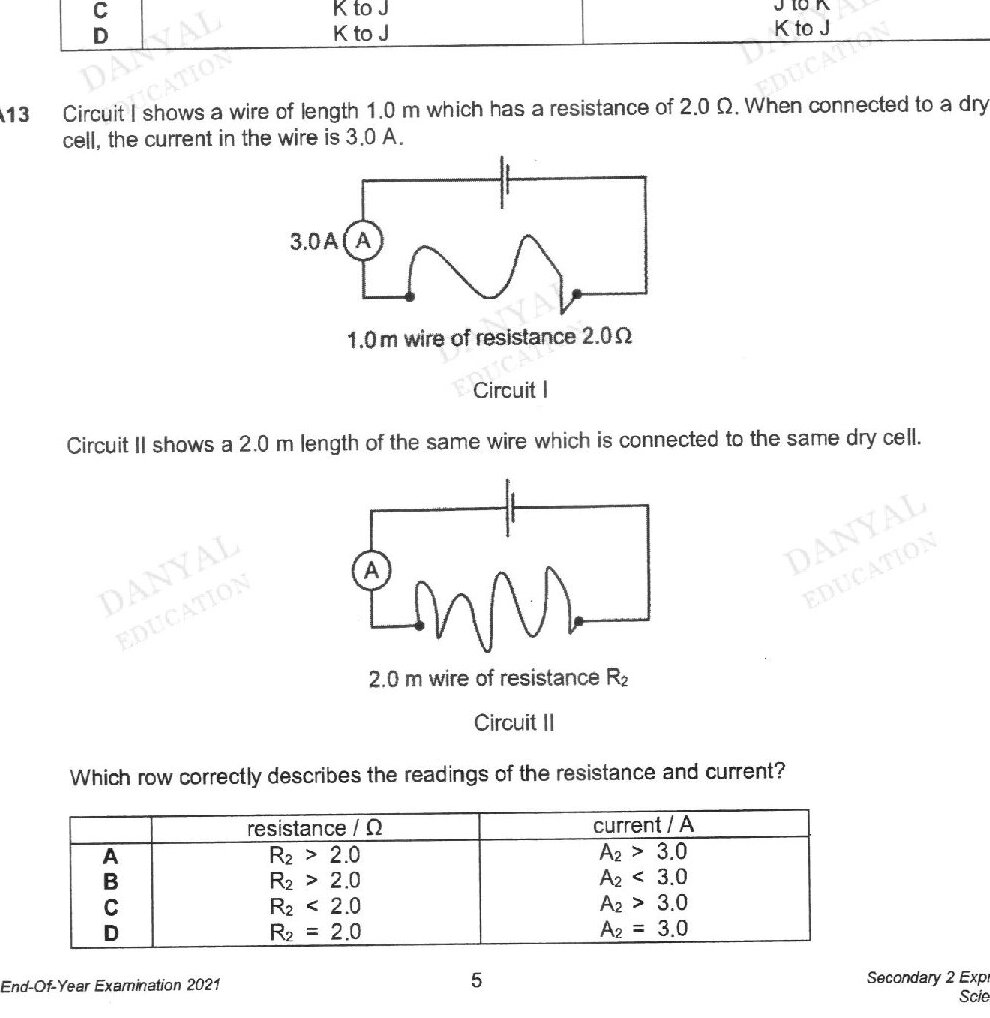
Circuit I shows a wire of length 1.0 m which has a resistance of 2.0 Ω. When connected to a dry cell, the current in the wire is 3.0 A. Circuit II shows a 2.0 m length of the same wire which is connected to the same dry cell. Which row correctly describes the readings of the resistance and current?
An electric heater has a power rating of 1500 W. If the cost of one kilowatt hour (kWh) of electricity is 20 cents, what is the cost of using the heater for 7 hours?
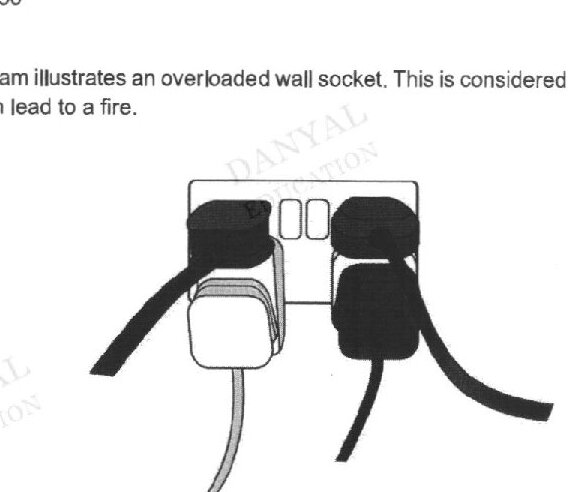
The diagram illustrates an overloaded wall socket. This is considered an electrical hazard, which can lead to a fire. Which statement best explains why this can cause a fire?
The resistance of the variable resistor is reduced. State the effect this will have on the brightness of the two lamps. Give a reason for your answer.
On the circuit in Fig. 5.2, draw the symbol of the electrical component that will allow the potential difference across the lamp to be measured.
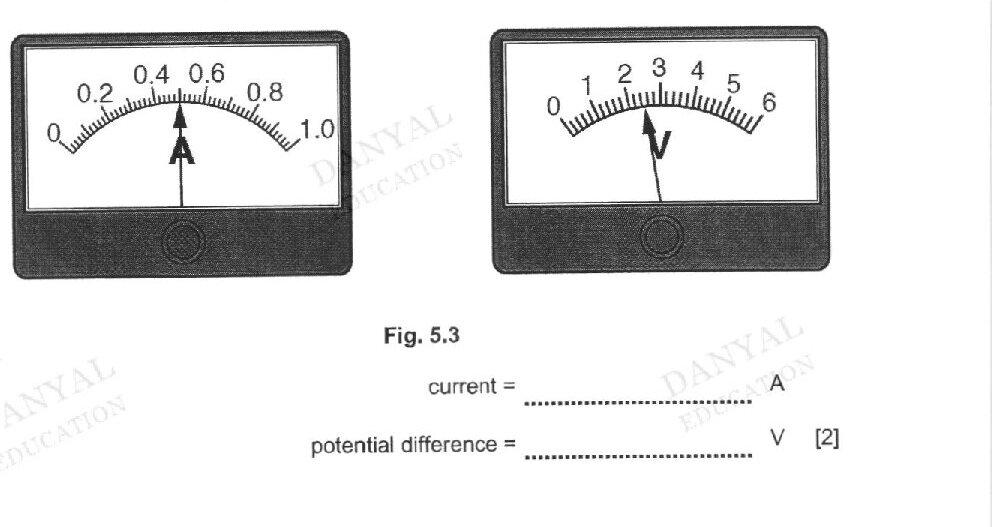
State the current and the potential difference shown on the meters in Fig. 5.3.
When excess hydrochloric acid is added to potassium hydroxide, the solution changes from alkaline to acidic. Describe a test that could be carried out to show that the solution is acidic.
Which of the following are precautions to prevent electrocution?
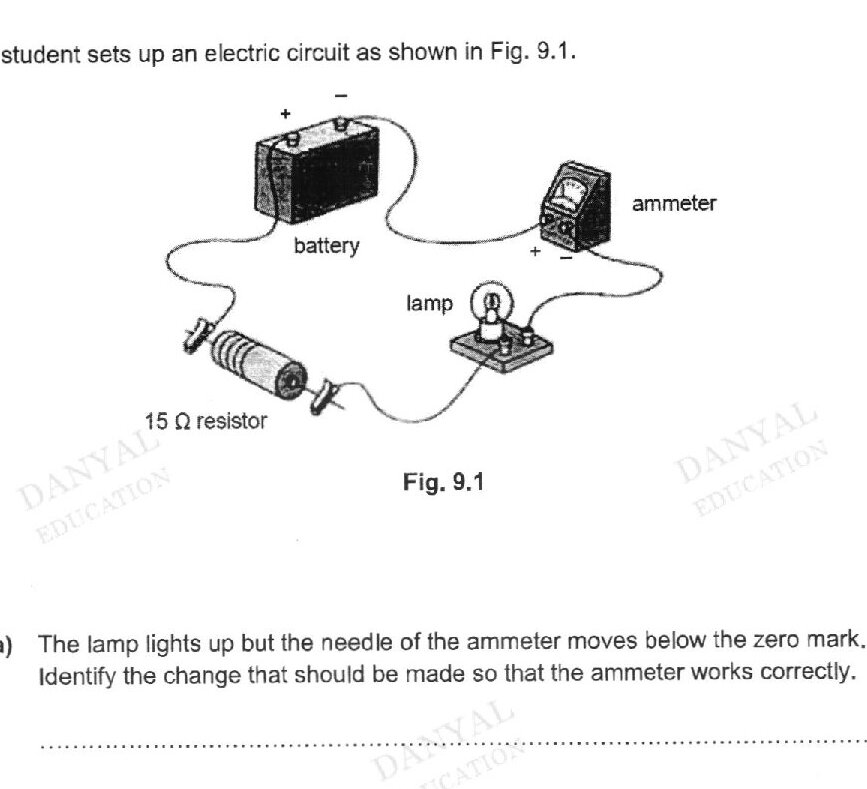
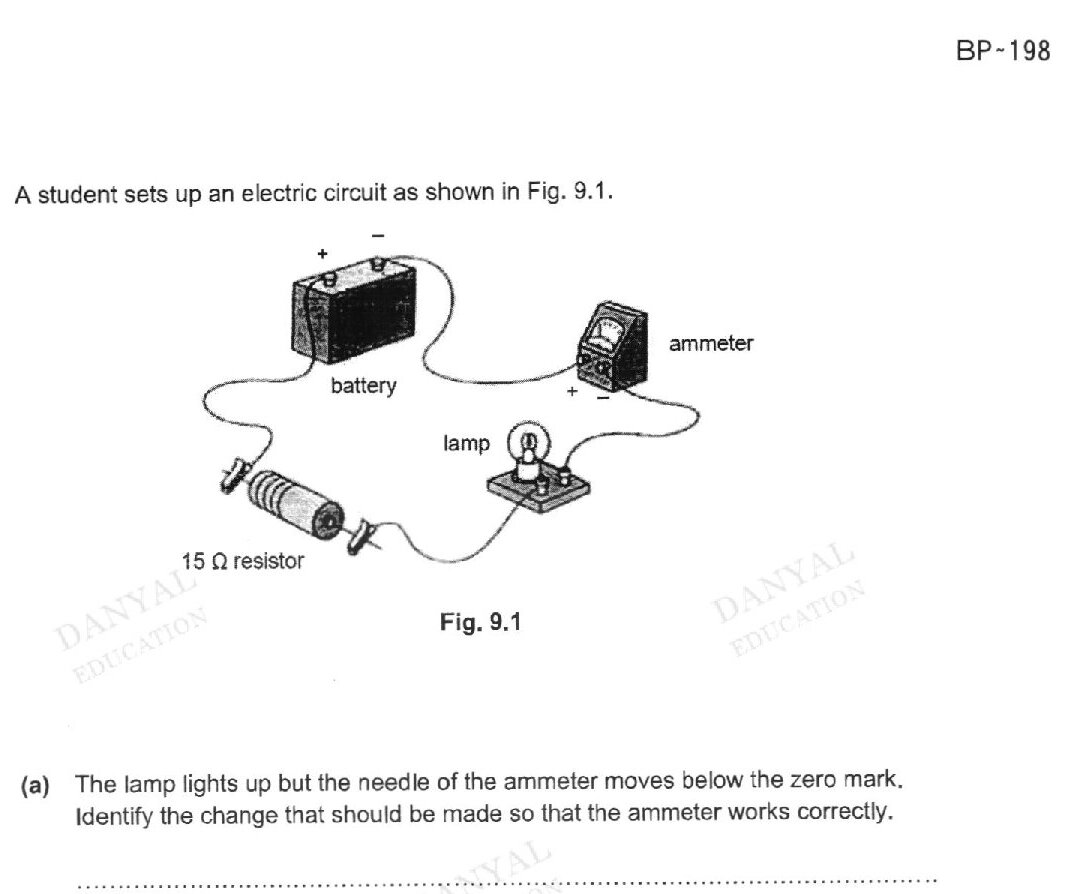
The lamp lights up but the needle of the ammeter moves below the zero mark. Identify the change that should be made so that the ammeter works correctly.
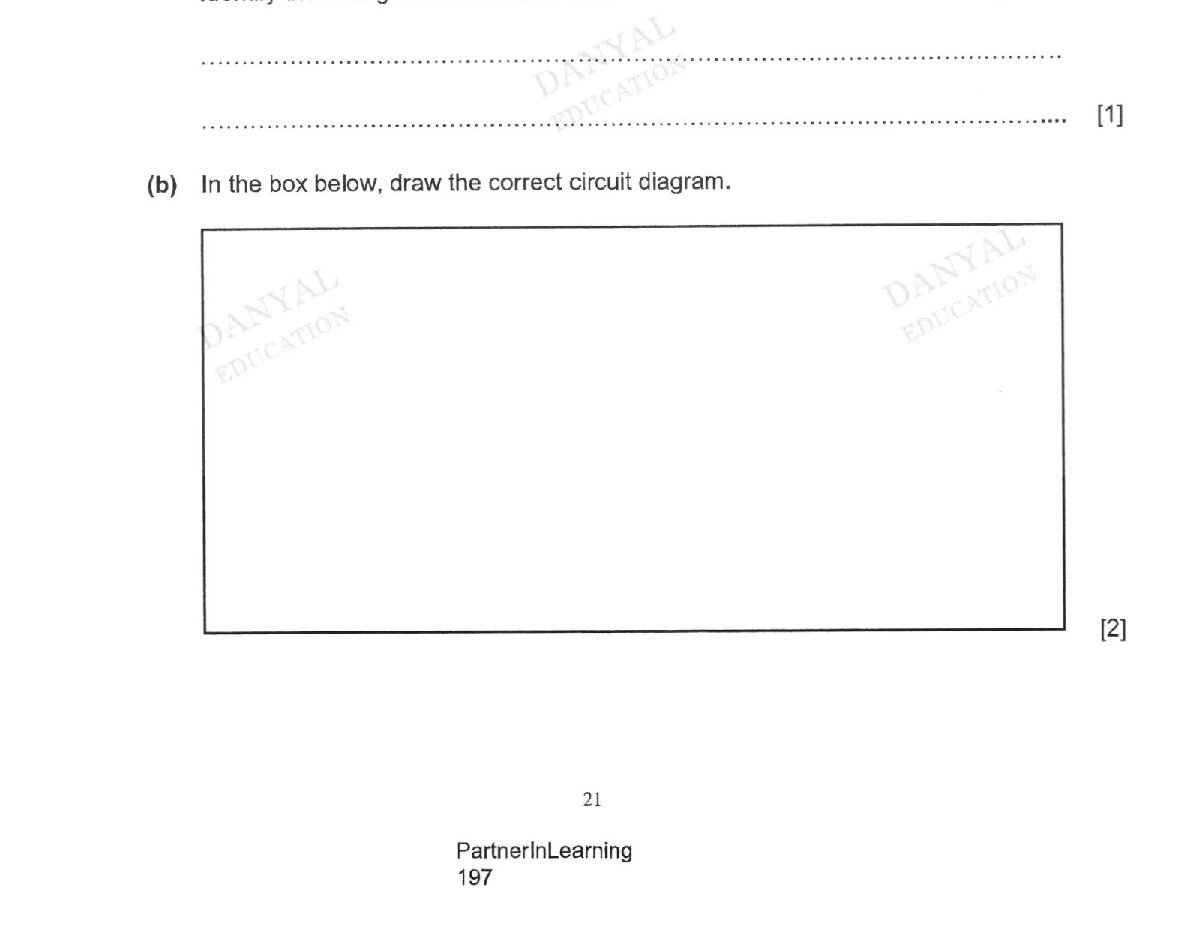
In the box below, draw the correct circuit diagram.
Using your answer in (b), draw how you would connect a voltmeter to measure the potential difference across the 15 Ω resistor.
Another 15 Ω resistor is connected in parallel with the 15 Ω resistor in the circuit. State the effect, if adding the 15 Ω resistor has on the brightness of the lamp.
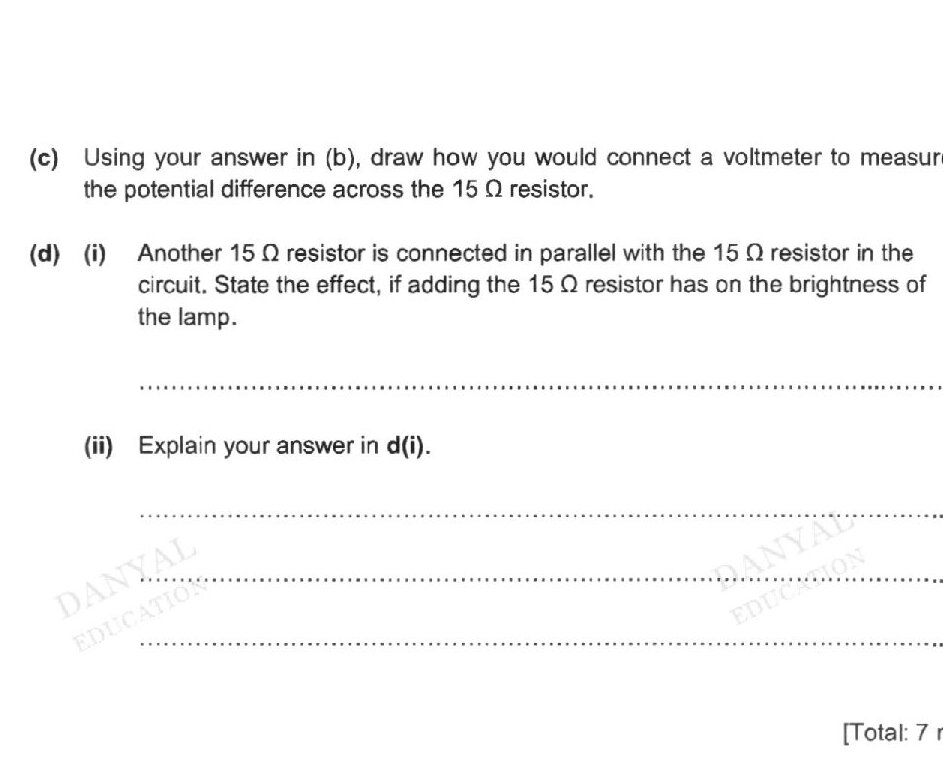
Explain your answer in d(i).
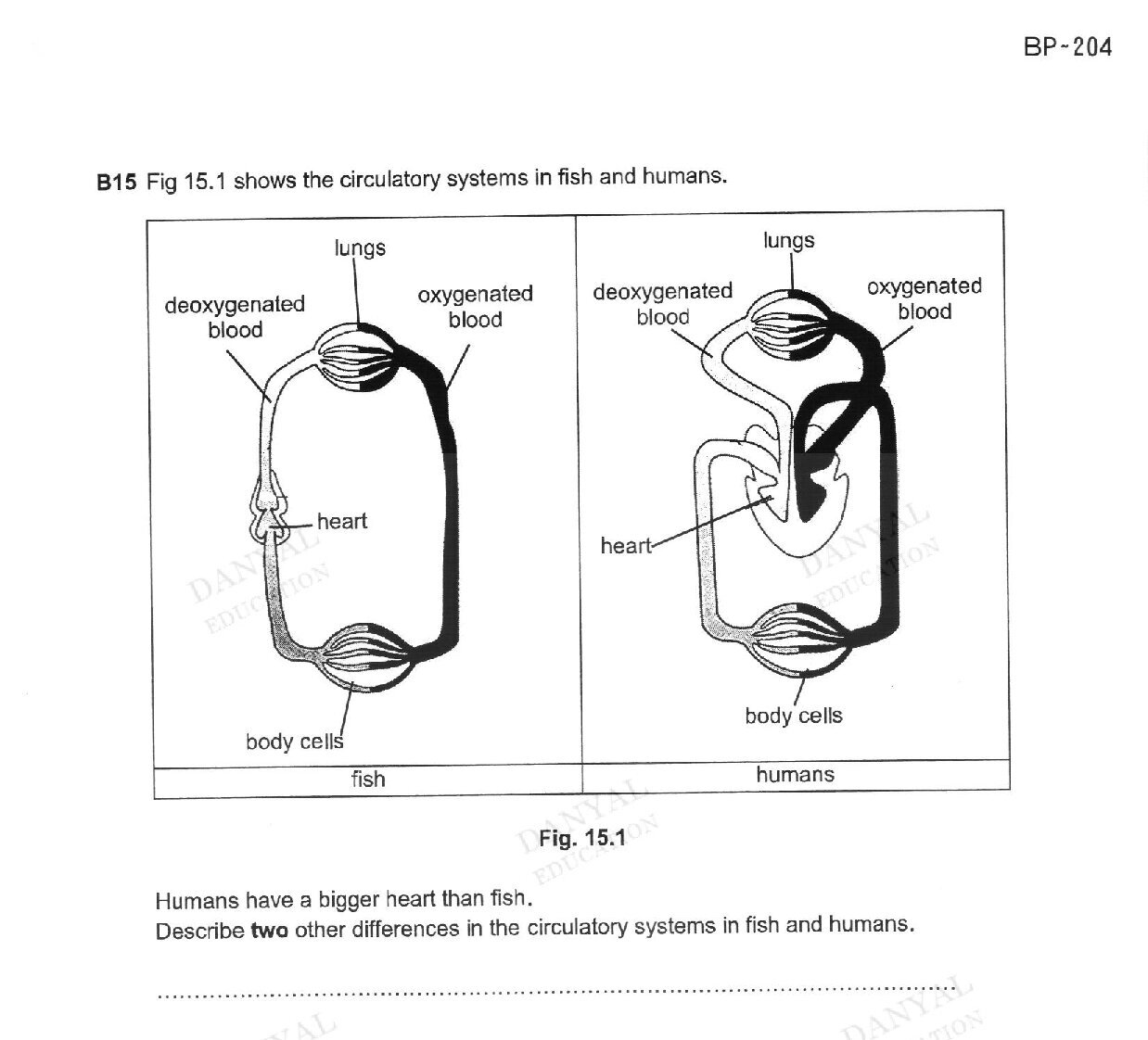
How will the readings on the meters be affected as the resistance of the variable resistor is decreased?
Which of the following is considered a safety hazard? I. Exposing bare wires in damaged insulation II. Overloading power sockets III. Touching a switch with wet hands IV. Using a plastic-cased hair dryer without an earth wire
The table shows the voltage and current ratings for four electric heaters, J, K, L and M. Which heater has the least resistance?

Which circuit allows the lamps to be switched on and off separately?
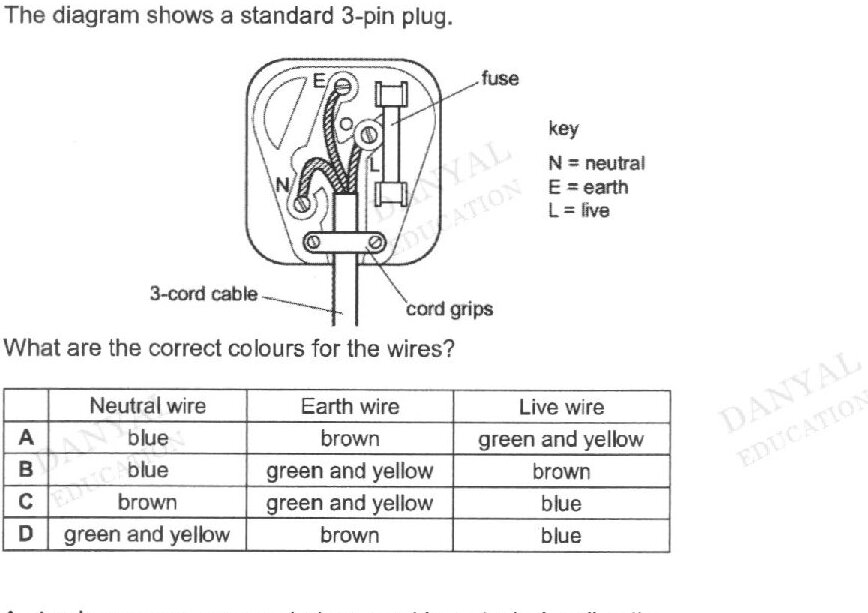
The diagram shows a standard 3-pin plug. What are the correct colours for the wires?
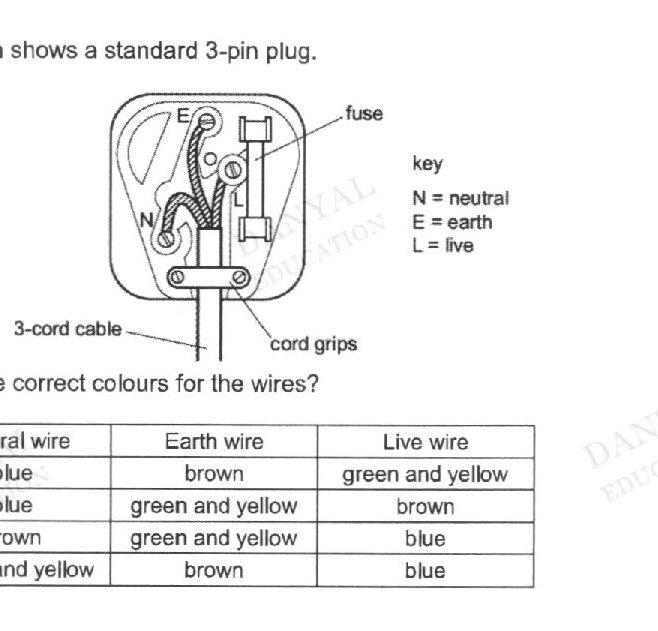
Fig. 6.1 shows an electrical circuit, made up of dry cells, copper wires and an iron nail. A pile of paper clips, which are made of iron, are placed near the iron nail. In an experiment, a student gradually increases the number of turns in the coil on the nail and records the number of paper clips the nail is able to attract. He records the data from his experiment in the Table 6.2.
Other than increasing the number of turns in the coil on the nail, state one other way to make a stronger electromagnet.
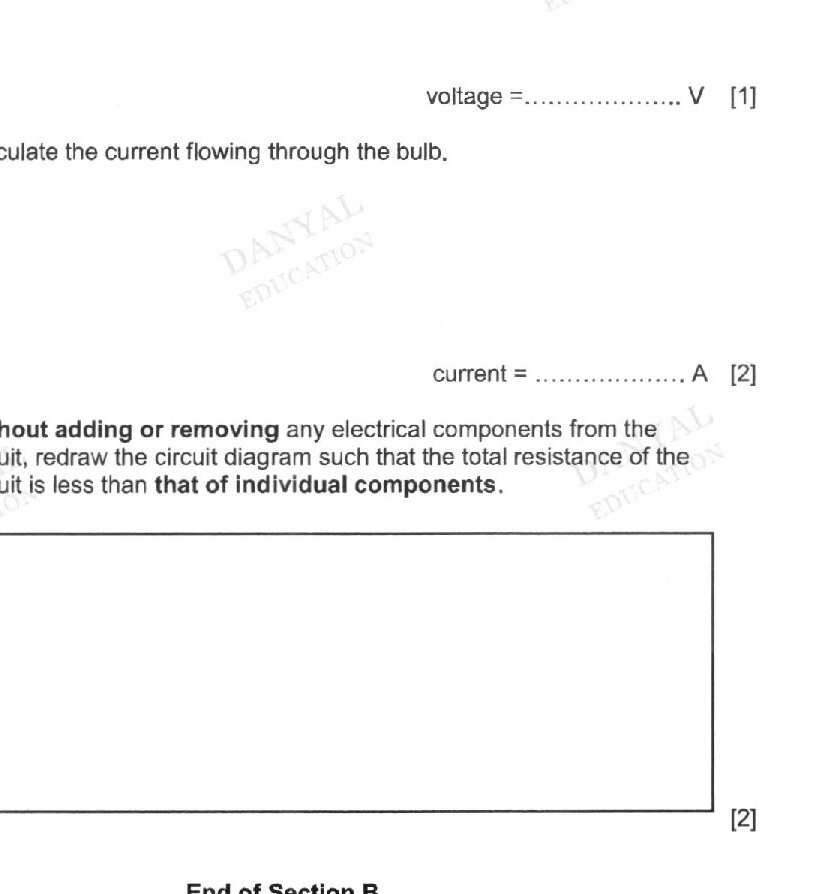
Without adding or removing any electrical components from the circuit, redraw the circuit diagram such that the total resistance of the circuit is less than that of individual components.
A wire has a current of 800 mA in it. How much charge passes a point in the wire in 5 minutes?
A radio operates at 200 W and the cost of 1 kWh of electricity is 25 cents. What is the cost of electricity when using this radio for 8 hours?
Is the melting of ice a chemical or physical change? Explain your answer.
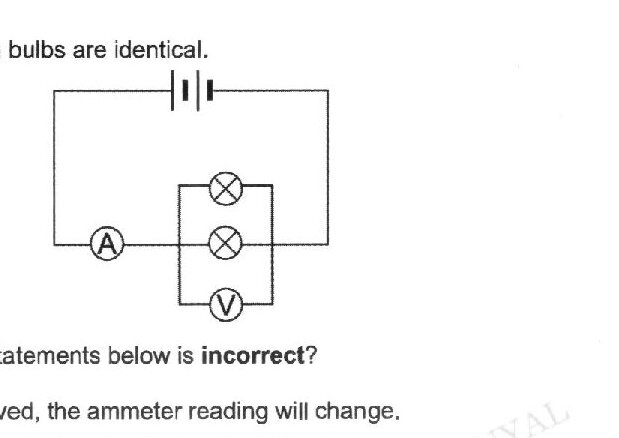
In the circuit below, both bulbs are identical. Which of the following statements below is incorrect?
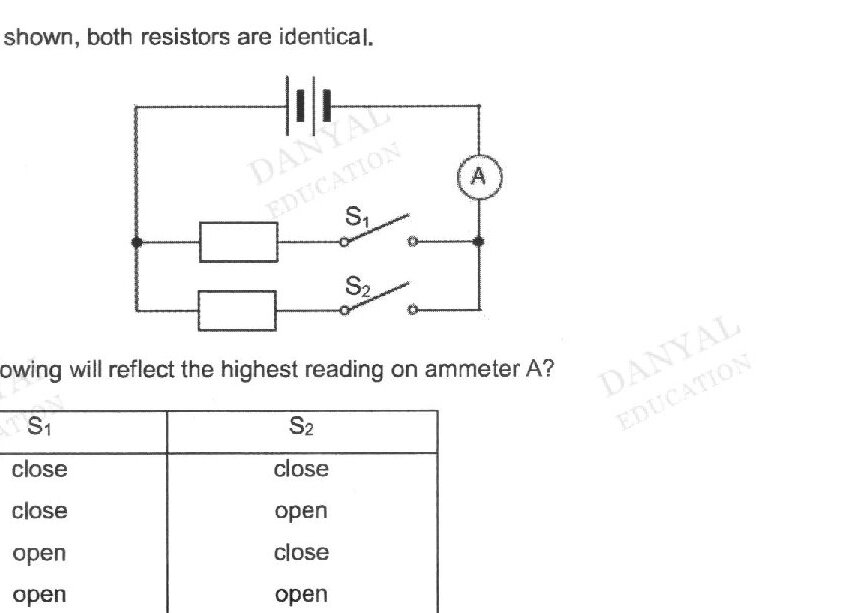
In the circuit shown, both resistors are identical. Which of following will reflect the highest reading on ammeter A?
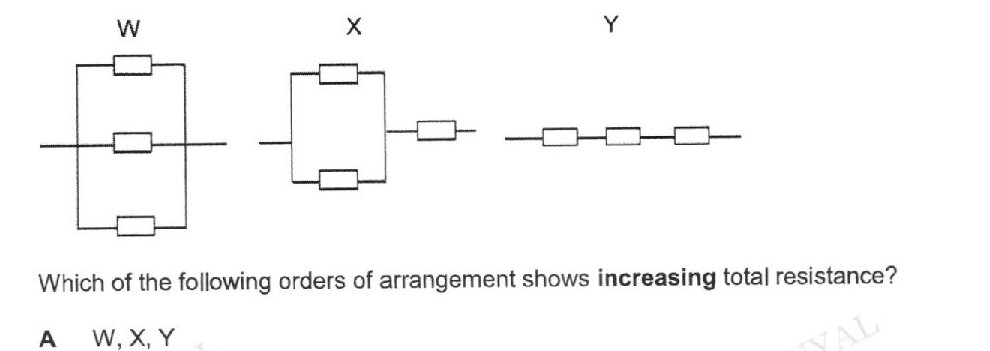
Three identical resistors are connected in four different arrangements. Which of the following orders of arrangement shows increasing total resistance?
Past year papers cover the full exam — browse by subject below.
View All Papers ›